


Royal icing is made from icing sugar and egg whites (or meringue powder and water, if you prefer). It's a very simple, basic icing that is perfect for cookie decorating and can act as a glue for gingerbread houses that is safe to eat and completely edible. You can colour royal icing or keep it white, and use it to decorate cookies with fine lines using a piping bag or to cover cookies entirely using a technique known as flooding.

Ever see decorated cookies in cafés and stores? They are decorated with royal icing. Royal icing is the most commonly used cookie icing because it dries hard and adheres so well to cookies.
If you want to decorate cutout sugar cookies or cutout gingerbread men, you'll need an icing that sets hard so you can package them up easily, without smudging: that's the beauty of royal icing. This easy recipe can be made at home in a stand mixer or with an electric hand mixer.
Jump to:
What You Need To Make Royal Icing
- egg whites, preferably fresh egg whites from whole eggs
- cream of tartar (chemical name: potassium bitartrate), an acidic white powder that helps stabilize some ingredients, and can also help you whip egg whites, contributing to a more stable meringue
- icing sugar, also called powdered sugar, which is very fine and powdery, and generally reserved for frostings and icings because of its finer texture, which allows it to dissolve quickly.
Please see the recipe for the exact ingredients and quantities.
Substitutions And Variations
Royal icing is pretty unique as it's made from icing sugar and egg whites. You can't replace it with buttercream or other recipes because it dries and sets very hard, making the royal icing-decorated cookies perfect for shipping and packaging.
When you are making royal icing, there are a few baking substitutions you can make:
- Replace the egg whites with meringue powder plus water: use 15 mL (1 tbsp) of meringue powder with 15 mL (1 tbsp) of water to replace 1 large egg white.
- Replace cream of tartar with a few drops of fresh lemon juice: remember, cream of tartar is an acidic ingredient (in fact, you can use it to make homemade baking powder!). A pinch of salt can also have similar effects as cream of tartar, making it easier to whip the egg whites.
There is no substitution for the icing sugar in this recipe. Icing sugar is powdered sugar with a very fine, powdery texture. It also contains a small amount of starch (usually tapioca or corn starch), which helps keep the texture powdery and prevents clumping.
How To Make Royal Icing
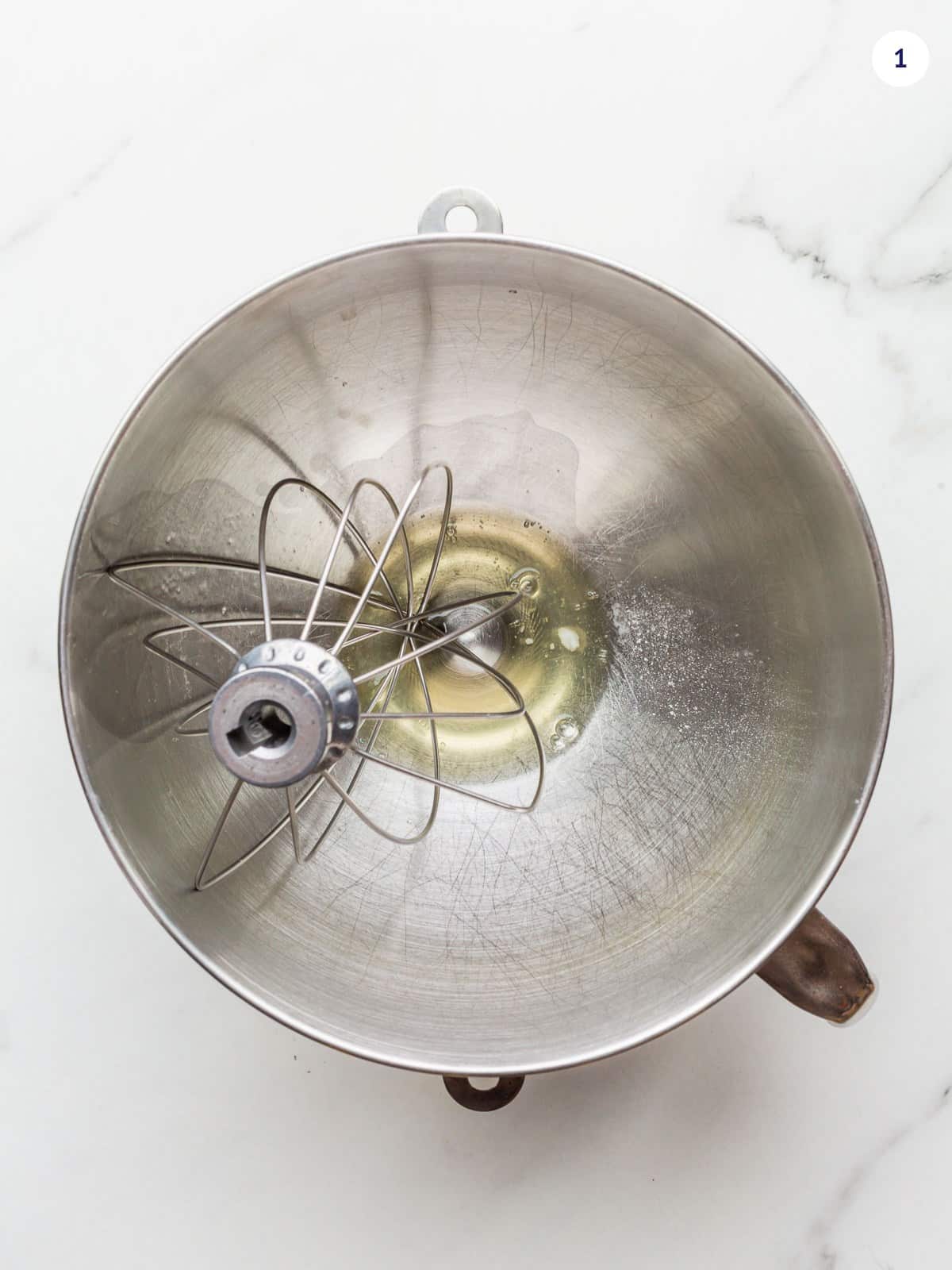
Step 1-combine the egg white(s) and cream of tartar in a mixer bowl fitted with the whisk attachment (image 1). Make sure the bowl isn't too large or you may not be able to whip the mixture properly.
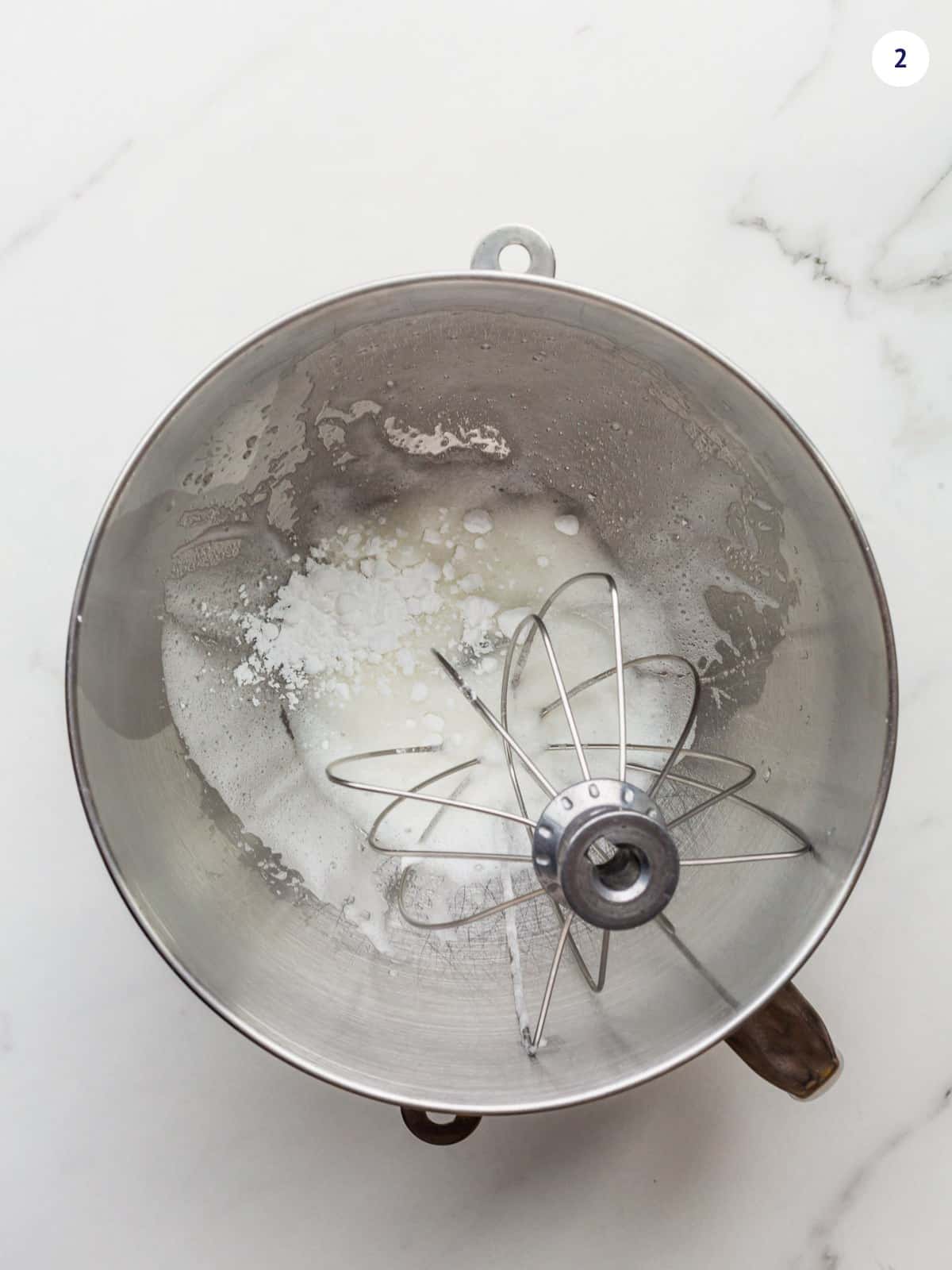
Step 2-whisk the egg whites until soft peaks before gradually adding the icing sugar (image 2).

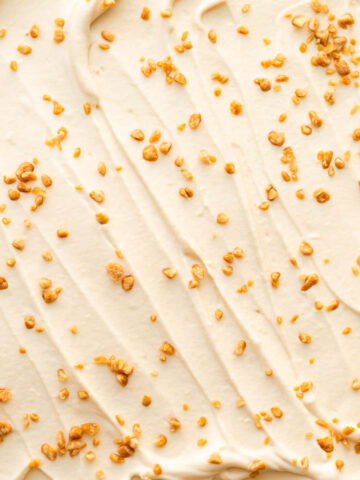
Step 3-continue whipping the royal icing until it is thick, glossy, and smooth (image 3). This takes several minutes. You want to whip it enough that it holds its shape. You can add a little water to adjust the consistency so that the icing is not too dry or overly thick. If it's too thick, it will not adhere properly to the cookies.

Royal Icing Uses
Use royal icing to decorate simple plain sugar cookie cutouts, spiced sugar cookies, or classic gingerbread cookie cutouts. You can also use it to decorate these cutout matcha cookies. Really, any dry cookie can be decorated with royal icing. It's also great for building a gingerbread house.
Because royal icing dries hard, I don't recommend using it on softer cookies because the icing will crack if the cookies are pliable or soft. The moisture content in softer cookies can also disrupt the firm set of the icing. Stick to hard, dry cookies for this reason.
Pastry Tip: Easy Method For Filling a Piping Bag
Piping bags are a real challenge for many bakers, especially beginners: how do you fill a floppy bag that's open on both ends with an icing that is liquid without spilling it all over everywhere? Here's how

- Clamp the bottom "piping end" of the bag shut, either by twisting the short end of the bag and stuffing it into the open end of the tip or by using a food saver clip like this one to clip the end shut.
- Stand the bag upright in a heavy mug or a tall, sturdy glass and fold the edges over the rim. This way, you now have both hands free to focus on getting the icing into the bag.
- Fill the bag only ⅔ full max (or even just halfway!). Less is better in this case because you need room to twist the top of the bag shut and to hold the bag. Always grip the bag and squeeze from the top downward, never the middle or bottom.
Make-Ahead Tips
Royal icing can be prepared ahead of time and stored in an airtight container until you are ready to use it:
- If you are storing it in a container, I like to place a piece of damp paper towel directly on the surface of the icing to prevent it from drying.
- If you are storing it in a piping bag:
- Make sure the wide end of the bag is twisted tight to seal it and you can secure that end tightly with an elastic band.
- Make sure the piping tip doesn't dry out. I like to wrap it in a small square of damp paper towel and then wrap that in plastic wrap to hold in the moisture as much as possible.
- Place the piping bags in a large airtight container and seal it shut to lock in moisture
Once you've found an airtight way of storing royal icing, you can store it for about 2 weeks at room temperature, though I prefer to keep it in the fridge.
If you've stored it in a piping bag, you can just go ahead and use it whenever needed. If you've stored it in a container, you can always give it a good whip before transferring it to a piping bag to decorate cookies.
Troubleshooting Royal Icing
Royal icing is mainly used for decorative purposes more than for flavour. In fact, it has little to no flavour and is mostly sweet with a crunchy texture. Consistency is important for decorating cookies to make them look professional.
Royal Icing Too Thick
If your royal icing isn't adhering properly to cookies or if you are having trouble getting it out of the piping bag, it's probably too dry and thick. You may need to adjust the consistency with a little cold water, but beware: add a teaspoonful (or up to 1 tablespoon) at a time, mix it in, then check the consistency. Otherwise, you might end up with the opposite problem, an icing that is too runny to pipe and hold finer lines.
Royal Icing Too Thin
If you find your royal icing is so thin that it runs right off your cookies, or if it's so thin that you can't handle the piping bag without it dripping, this means your royal icing is too wet or doesn't have enough icing sugar. You will need to adjust the consistency with more icing sugar.
Another reason why your royal icing might be too thin: you didn't whip it enough. Remember that royal icing is a variant of meringue, made with whipped egg whites. To give the icing body and structure, you need to whip it for a long time, incorporating air to create a thick, glossy icing that is pipeable and holds its shape.
If you tried this recipe for the royal icing (or any other recipe on my website), please leave a ⭐ star rating and let me know how it went in the comments below. I love hearing from you!
📖 Recipe

Royal Icing with Egg Whites
Ingredients
- 30 grams large egg white(s)
- 1 pinch cream of tartar or use a few drops of lemon juice
- 170 grams icing sugar
- water as needed
Instructions
- In the bowl of an electric stand mixer fitted with the whisk attachment, whip the egg white and cream of tartar or a few drops of lemon juice, until soft peaks form.
- Gradually add the icing sugar, continuing to whisk, over 5 to 10 minutes, until the icing is very thick.
- Adjust the consistency with water. For outlining, mix in just enough water so that your icing is thick, but pipable without struggling, and the consistency of soft toothpaste. If you run a palette knife through the icing in your bowl, the line you've cut through will hold for over 15 seconds before disappearing for outlining cookies. For coating entire surfaces (a.k.a. flooding), mix in more water so your icing has a more fluid consistency. If you run a palette knife through the icing in your bowl, the line you've cut through will hold for 8-10seconds before disappearing for flooding cookies.
- If you want to colour your icing, divide the frosting among several small bowls and add a small amount of gel food colouring and mix well.
- Transfer the (coloured) icing(s) into piping bags fitted with small, simple piping tips and decorate your cookies.
- Allow to dry at room temperature for a few hours before transferring them to an airtight container.
Notes
- This recipe works best with fresh egg whites from whole eggs, rather than boxed egg whites, which don't whip as well.
- Icing sugar, also known as powdered sugar, is has a fine, powdery texture. It isn't the same as granulated sugar. They are not interchangeable!
- If you would prefer to use meringue powder, replace 1 egg white with 15 mL (1 tbsp) meringue powder and 15 mL (1 tbsp) of water. Proceed with the steps of the recipe as written above.
- You can replace the cream of tartar with a splash of lemon juice. A pinch of salt can also have a similar effect on the egg whites, helping to break up the clumps, making it easier to whip them.
Explore More With AI
Nutrition
Nutrition information is automatically calculated and should only be used as an approximation.

Leave a Reply